







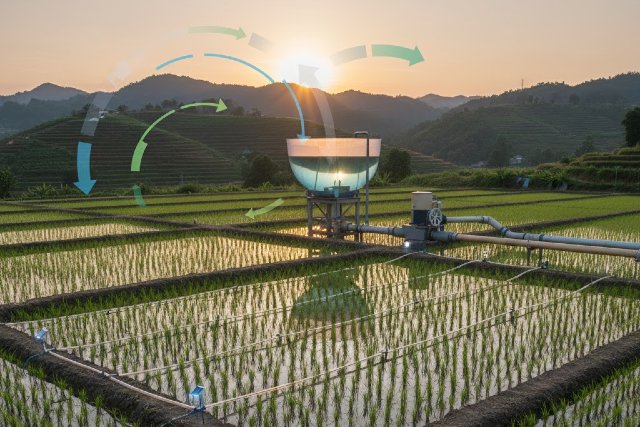
Introduction to the IRRI System
Water is life, especially in agriculture. But with increasing climate change and growing populations, the efficient use of water has never been more critical. Enter the IRRI system — an innovative approach designed to optimize water usage for farmers around the globe. This cutting-edge method not only helps conserve precious resources but also enhances crop productivity. As we delve into this transformative system, you’ll discover how it’s changing the landscape of farming while promoting sustainability and resilience in agricultural practices. Get ready to explore a solution that promises to make a significant impact on both farms and our environment!
The Importance of Water Conservation in Agriculture
Water is a vital resource for agriculture, yet it is often taken for granted. With increasing global temperatures and changing rainfall patterns, conserving water has never been more critical.
Efficient water use can significantly boost crop yields. When farmers adopt sustainable practices, they ensure that every drop counts. This approach not only helps produce healthy crops but also supports the ecosystem by maintaining soil health and biodiversity.
Moreover, as populations grow, the demand for food rises. This places additional pressure on our already strained water resources. Implementing effective conservation strategies in agriculture addresses this challenge head-on.
Farmers who prioritize water conservation are better equipped to handle drought conditions. They create resilience in their farming systems while promoting sustainability for future generations. Embracing innovative technologies like the IRRI System amplifies these efforts even further.
How the IRRI System Works
The IRRI System operates through a combination of innovative techniques that optimize water usage in agriculture. Central to this system is the concept of alternate wetting and drying. This method allows fields to dry out intermittently, reducing the total time they are saturated.
Farmers using the IRRI System monitor soil moisture levels carefully. By doing so, they can determine the ideal times for irrigation. This precision helps to avoid overwatering and minimizes waste.
Additionally, the system promotes crop varieties that thrive with less water. These resilient crops are designed to withstand periods of drought while still yielding high outputs.
The integration of technology further enhances efficiency. Sensors and data analytics provide real-time insights into field conditions, empowering farmers with knowledge that drives better decisions for sustainable practices.
Benefits of Using the IRRI System
The IRRI system brings numerous benefits to farmers and the environment alike. One of its most significant advantages is water efficiency. By optimizing irrigation practices, this system significantly reduces water waste.
Farmers using the IRRI system experience enhanced crop yields due to improved soil moisture management. Healthy crops thrive when they receive adequate water without drowning in excess.
Adopting the IRRI system also fosters sustainable farming practices. This method encourages responsible resource usage, promoting long-term agricultural viability.
Moreover, it can lead to cost savings for farmers. With reduced reliance on excessive watering, they lower energy costs associated with pumping and maintaining irrigation systems.
By minimizing environmental impact through effective water management, the IRRI system contributes positively to local ecosystems. Healthier farms help sustain biodiversity while ensuring food security for future generations.
Case Studies: Success Stories of Farmers Implementing the IRRI System
In the Philippines, a farmer named Manuel transformed his rice field using the IRRI system. With precise water management techniques, he reduced water usage by over 30%. His yields increased significantly, proving that technology can enhance productivity.
Across India, Priya adopted the IRRI methods in her paddy fields. By implementing alternate wetting and drying practices, she not only saved water but also improved soil health. Her community now looks to her as a model for sustainable farming.
Meanwhile, farmers in Vietnam have embraced the IRRI system with remarkable results. They report higher income levels due to reduced irrigation costs and enhanced crop resilience during droughts.
These stories illustrate how adopting innovative agricultural technologies can lead to impressive outcomes while conserving vital resources like water. Each success story reflects hope for more sustainable farming practices worldwide.
Challenges and Limitations of the IRRI System
While the IRRI system offers promising advancements in water conservation, it’s not without challenges. One major limitation is the initial cost of implementation. Farmers may struggle with financing, especially in developing regions where resources are scarce.
Training and education also pose hurdles. Many farmers need guidance on effectively using the technology to maximize its benefits. Without adequate support, even a well-designed system can fall short of expectations.
Environmental factors play a role too. Regional differences in climate and soil can affect how well the IRRI system performs. What works seamlessly in one area might not yield similar results elsewhere.
Maintenance demands ongoing attention from farmers. Regular checks are essential to ensure that all components function correctly over time. Neglecting this could lead to inefficiencies and increased water waste, counteracting the original goals of adopting such a system.
Future Potential and Expansion of the IRRI System
The future of the IRRI system holds immense promise. As water scarcity becomes a pressing global issue, adopting this methodology in various regions can transform agricultural practices.
Advancements in technology will play a crucial role in refining the IRRI system. Integrating data analytics and remote sensing can enhance irrigation efficiency further. Farmers could receive real-time feedback on soil moisture levels, optimizing water usage.
Expanding the application of the IRRI system beyond rice paddies presents new opportunities. It could benefit other crops that require precise watering techniques, allowing for broader sustainability impacts.
Collaborations between governments, NGOs, and research institutions are essential to scale up these efforts. Education and training programs will empower farmers with knowledge about best practices and innovations within the IRRI framework.
As awareness grows globally about sustainable agriculture solutions, interest in implementing the IRRI system is likely to increase significantly across diverse farming landscapes.
Conclusion: The Role of Technology in Sustainable Agriculture
The integration of technology in agriculture is transforming how we approach farming practices. The IRRI system stands out as a prime example, showcasing the potential for innovation to solve pressing issues like water waste. By providing farmers with tools and knowledge to manage water resources efficiently, it fosters sustainable agricultural methods.
As more growers adopt these technologies, they are not only conserving precious water but also enhancing crop yields and improving overall food security. This shift towards data-driven decision-making heralds a new era in farming where sustainability goes hand-in-hand with productivity.
Embracing systems like IRRI indicates a commitment to responsible agriculture that respects natural resources while meeting the demands of an ever-growing population. With continued advancement in agricultural technology, there’s hope for even greater improvements in efficiency and sustainability across the industry.