







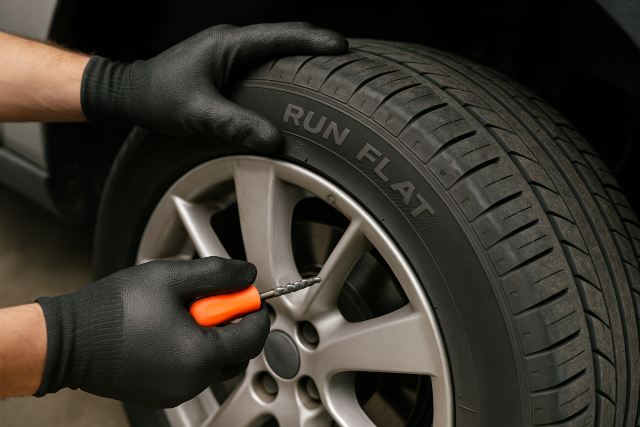
Picture this: you’re cruising down the highway when suddenly, you feel that familiar thud of a flat tire. But wait — you’re driving on run-flat tires! These smart innovations promise peace of mind by allowing you to keep going even after losing air pressure. However, not all is as simple as it seems. If you’ve ever wondered whether you can plug a run-flat tire and get back on the road safely, you’re in the right place. Let’s dive into everything you need to know about these unique tires and how to handle potential punctures like a pro. Whether you’re an experienced driver or just starting out, understanding your options can make all the difference in keeping you safe and sound behind the wheel.
What is a Run Flat Tire?
Run-flat tires are engineered to keep you moving, even when punctured. Unlike traditional tires that go flat instantly, these innovative designs allow for temporary driving after losing air pressure.
They feature reinforced sidewalls that support the weight of the vehicle. This means you can travel for a limited distance — typically 50 miles at speeds up to 50 mph — after experiencing a loss of air.
The primary goal is safety and convenience. Drivers don’t have to pull over immediately in potentially dangerous situations or worry about being stranded on the roadside.
Many modern vehicles come equipped with run-flat tires as standard features, appealing especially to those who prioritize reliability and performance. While they may look like regular tires, their construction sets them apart in functionality and purpose.
Advantages and Disadvantages of Run Flat Tires
Run flat tires come with distinct benefits. They allow drivers to maintain control after a puncture, providing peace of mind on long journeys. This feature can be especially handy in remote areas where help may not be readily available.
Another advantage is the convenience of not needing an immediate tire change. You can drive for about 50 miles at lower speeds, which provides flexibility to reach a safe location or service station.
However, there are drawbacks to consider. Run flat tires often have a stiffer ride compared to traditional options, which might lead to decreased comfort on bumpy roads.
Additionally, they tend to wear out faster and can be more expensive than standard tires due to their specialized construction and technology. Not all vehicles are compatible with run flats either, limiting your choice if you’re considering an upgrade.
Can You Plug a Run Flat Tire?
Run flat tires are designed to keep you moving even after a puncture. They can typically support the vehicle’s weight for a limited distance at reduced speeds. But does this mean they can be plugged like standard tires? Not necessarily.
Plugging a run flat tire is often discouraged by manufacturers. The unique construction of these tires means that damage can compromise their integrity, making repairs risky. Additionally, if the sidewall has been damaged, plugging won’t provide the necessary safety.
If you find yourself with a punctured run flat tire, it’s best to consult with a professional. They will assess whether repair or replacement is the safest option for your specific situation. Always prioritize safety and consider the potential risks before attempting any DIY fixes on run flat tires.
Safety Tips for Drivers with Run Flat Tires
When driving on run flat tires, awareness is key. Always monitor your tire pressure. Many modern vehicles have sensors, but it’s wise to check manually if you feel any performance changes.
Maintain a steady speed when experiencing a puncture. Avoid sudden acceleration or hard braking; this helps maintain control and stability.
Pay attention to the recommended distance limit for run flat tires after losing air pressure — typically around 50 miles at speeds up to 50 mph. Don’t push these limits unnecessarily.
Keep an emergency kit in your vehicle that includes reflective triangles, a flashlight, and basic tools. Being prepared can make all the difference during an unexpected situation.
Schedule regular tire inspections with a professional who understands run flats. Routine maintenance ensures they perform optimally and keeps you safe on the road.
How to Identify and Repair a Punctured Run Flat Tire
Identifying a punctured run flat tire can be tricky. Start by inspecting the tire visually for any obvious signs of damage, such as cuts or foreign objects embedded in the rubber.
Next, check your vehicle’s pressure monitoring system. If there’s a significant drop in air pressure, it might indicate a puncture.
If you suspect a leak, listen closely for hissing sounds while inflating the tire with air. This could signify escaping air from within.
Repairing a run flat tire usually requires professional assistance due to its construction specifics. Most manufacturers recommend replacing rather than repairing these tires when damaged.
However, if you’re temporarily stuck and need to patch it yourself, use an appropriate sealing product designed for run flats. Always follow manufacturer guidelines carefully.
After any repair attempt, it’s crucial to get back on track and consult with your tire specialist at the earliest opportunity for proper evaluation and safety assurance.
Alternative Solutions for Dealing with Punctured Run Flat Tires
If you find yourself with a punctured run flat tire, there are several alternatives to consider. One option is to use a tire sealant. These products can temporarily seal small leaks and allow you to drive for a limited distance at reduced speeds.
Another solution is the use of an air compressor. If your tire has lost pressure but isn’t severely damaged, inflating it back up may get you safely on the road again, at least until proper repairs can be made.
For those who prefer professional help, roadside assistance services offer quick solutions. They can tow your vehicle or replace the damaged tire with a spare if needed.
Some drivers opt for upgrading their tires altogether. Switching to traditional tires might give peace of mind when considering repair options in case of future punctures.
Conclusion
In the world of modern driving, run flat tires bring a unique blend of convenience and complexity. They allow you to travel a certain distance after a puncture, providing safety and peace of mind on the road. However, understanding their limitations is crucial for every driver.
While plugging a run flat tire might seem like an easy fix, it’s essential to approach this option with caution. The design and construction of these tires mean that they may not respond well to traditional repair methods. Always consult with a professional if you’re unsure.
Drivers should prioritize their safety by familiarizing themselves with the specific features of their run flat tires. Regular inspections can help identify potential issues before they escalate into more significant problems.
If you find yourself dealing with a punctured run flat tire, consider alternatives such as replacement or seeking assistance from roadside services equipped to handle such repairs effectively.
Knowledge is your best tool while navigating any challenges associated with your tires. By staying informed and prepared, you can ensure safer travels wherever the road takes you.