







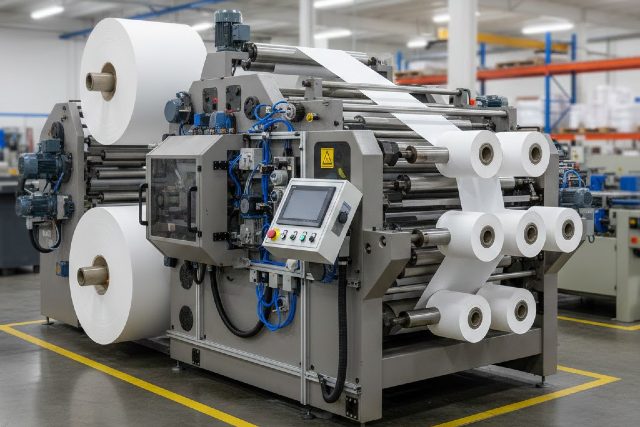
Introduction to Slitter Rewinder Machines
In the fast-paced world of manufacturing, efficiency is key. As industries evolve, so do the tools that help them thrive. Enter the slitter rewinder machine — a powerhouse in converting and packaging operations. This essential piece of equipment takes large rolls of material and transforms them into smaller, more manageable sizes without compromising quality.
Imagine a bustling production line where precision meets speed; that’s what a slitter rewinder machine brings to your industry. Whether you’re dealing with paper, plastic films, or textiles, understanding how this technology works can make all the difference in optimizing your processes and boosting productivity. Let’s dive deeper into what makes these machines indispensable for modern manufacturing!
The Components of a Slitter Rewinder Machine
A slitter rewinder machine comprises several key components that work in harmony to achieve precise cutting and winding. The unwind stand holds the master roll securely, ensuring a steady feed of material.
Next, the slitting blades are critical for dividing the material into narrower strips. These blades can be adjusted for various widths based on production needs.
The tension control system maintains consistent pressure throughout the process, preventing any damage or defects in the final product.
After slitting, the rewind station collects and rolls up each strip neatly onto cores. This component is essential for facilitating easy handling and storage of finished products.
Each part plays a vital role in enhancing efficiency and accuracy during slitting operations. Understanding these components helps industries select machines tailored to their specific requirements.
The Process of Slitting and Rewinding
The slitting and rewinding process is a fascinating sequence of steps. It begins with loading the parent roll onto the machine. This large roll contains material in its original width.
Next, sharp blades cut the material into thinner strips. The precision of these blades ensures uniformity across all widths. As the slitting occurs, tension control systems maintain consistent pressure to prevent any defects.
Once slitting is complete, each narrow strip gets wound onto separate cores. This step requires careful alignment to avoid wrinkles or overlaps during winding.
As the final product emerges, operators inspect it for quality assurance. Any imperfections are swiftly addressed before packaging and distribution begin.
This streamlined process maximizes efficiency while ensuring high-quality output for various applications across industries.
Advantages of Using a Slitter Rewinder Machine
Slitter rewinder machines offer numerous advantages that can significantly enhance production efficiency. They streamline the process of converting large rolls of material into smaller, more manageable sizes. This not only saves time but also reduces waste.
With precise cutting capabilities, these machines ensure uniformity in width and quality, which is essential for industries requiring high standards. The accuracy minimizes errors during subsequent processing stages.
Moreover, slitter rewinders improve workflow flexibility. Operators can quickly adjust settings to accommodate different materials or specifications without a lengthy setup period. This adaptability is crucial in fast-paced manufacturing environments.
Additionally, using a slitter rewinder machine can lead to cost savings over time. By optimizing raw material usage and minimizing labor costs associated with manual cutting processes, businesses can achieve better profit margins while maintaining product quality.
Industries That Benefit from Slitter Rewinders
Slitter rewinder machines play a crucial role in various industries. Packaging manufacturers rely on them to produce precise rolls of materials like films and foils. These rolls are essential for creating everything from food packaging to shipping supplies.
The textile industry also benefits significantly. Slitting fabrics into narrower widths allows for efficient production processes, whether it’s for clothing or upholstery.
In the printing sector, slitter rewinders ensure that printed materials are evenly cut and wound, enhancing the quality of final products. This precision is vital for brands aiming to maintain consistency across their print runs.
Moreover, converting companies that work with paper and plastic often utilize these machines to optimize their workflow. The ability to create customized roll sizes improves versatility while reducing waste.
Even electronics manufacturers appreciate slitter rewinders as they provide accurate cuts of insulating and conductive materials needed in circuit boards. Each industry finds unique advantages through this technology.
Types of Slitter Rewinder Machines
Slitter rewinder machines come in various types, each designed for specific applications and materials. The most common categories are the turret slitter rewinder and the conventional slitter rewinder.
Turret slitters excel in high-speed operations. They feature two unwind stations, allowing continuous production without downtime for roll changes. This efficiency is ideal for large-scale manufacturing environments.
On the other hand, conventional slitters focus on versatility. These machines can handle a variety of substrates, making them suitable for smaller businesses or operations with diverse material needs.
Another type worth mentioning is the digital slitter rewinder. These units integrate advanced technology to enable precise cutting and customization of rolls based on digital input.
There are specialized models that cater to niche markets such as label printing or flexible packaging. Each type offers unique benefits tailored to different industry requirements and operational preferences.
Maintenance and Safety Tips
Regular maintenance is crucial for keeping your slitter rewinder machine in top shape. Schedule routine inspections to check for wear and tear on blades, rollers, and other components. This proactive approach can prevent costly breakdowns.
Always ensure that safety guards are in place before operating the machine. These features protect operators from potential hazards during the cutting process.
Train all personnel on proper operating procedures. Understanding how to safely use the equipment minimizes risks and enhances efficiency.
Keep the workspace clean and organized. Debris or clutter around a running machine can lead to accidents or malfunctions.
Always have an emergency stop mechanism within reach. Quick access to this feature can avert serious incidents should something go wrong during operation.
Future Developments in Slitting and Rewinding Technology
The future of slitting and rewinding technology is poised for exciting advancements. One key area is automation. As industries seek efficiency, automated systems will streamline operations, reducing downtime and labor costs.
Smart technology integration is also on the horizon. Machines equipped with sensors can monitor performance in real time, allowing for immediate adjustments. This not only enhances precision but also minimizes waste.
Sustainability trends are influencing design as well. Manufacturers are exploring eco-friendly materials and processes to meet environmental standards while maximizing productivity.
Further innovation includes digital controls for enhanced user interaction. Operators will enjoy intuitive interfaces that simplify complex tasks, making training quicker and more effective.
Developments in machine speed and accuracy promise to revolutionize production capabilities across various sectors, ensuring businesses remain competitive in a rapidly evolving market landscape.
Conclusion
The slitter rewinder machine plays a crucial role in numerous industries, enhancing efficiency and productivity. Understanding its components and the intricacies of the slitting and rewinding process can help businesses optimize their operations. With advantages like improved material handling, reduced waste, and customizable output sizes, these machines are indispensable for companies looking to stay competitive.
Various industries benefit from this technology — packaging, printing, textiles, and more all rely on accurate slitting and rewinding for quality products. The types of machines available cater to different needs; whether you require a high-speed model or one designed for specialized materials, there’s a solution out there.
Maintaining your slitter rewinder is essential for longevity and safety. Regular checks will keep your equipment running smoothly while minimizing operational risks. As technology evolves with advancements in automation and software integration, future developments promise even greater efficiencies.
Investing in a reliable slitter rewinder machine is not just about keeping pace — it’s about leading the way in production capabilities that meet market demands today and tomorrow. Embracing this technology could be exactly what your industry needs to thrive amidst growing competition.