







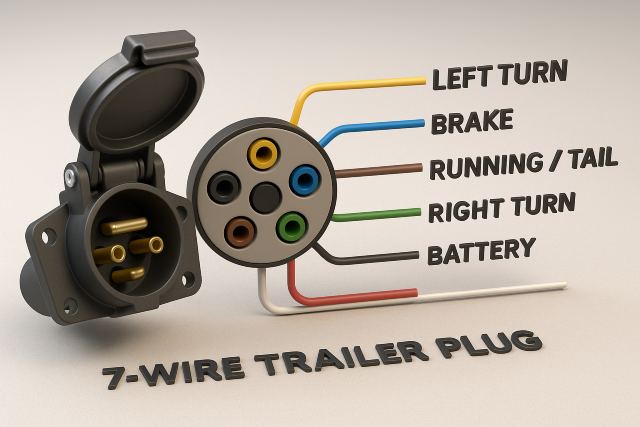
Introduction to 7 Wire Trailer Plug Wiring Diagram
Are you ready to hit the road with your trailer in tow? Whether you’re hauling gear for a weekend camping trip or transporting heavy equipment, understanding how to wire a 7 wire trailer plug is essential. It’s not just about getting from point A to B; it’s about doing so safely and effectively.
A well-wired trailer plug ensures that all your lights function properly, keeping you visible and compliant on the road. But don’t worry if wiring seems daunting; we’ve got you covered! This guide will take you through everything from identifying different types of 7-wire plugs to troubleshooting common issues. Get ready to become a wiring pro and ensure your next adventure goes off without a hitch!
Types of 7-Wire Trailer Plugs
When it comes to 7-wire trailer plugs, there are a few types that stand out. The most common is the standard flat type, known for its simplicity and reliability. This design typically features a rectangular shape with pins arranged in a specific pattern.
Another popular option is the round connector. Its circular design can be more durable and resistant to corrosion, making it ideal for harsher environments. It often provides better protection against moisture and dirt.
You might also come across some specialized connectors designed for certain applications or manufacturers. These can include additional features like built-in fuses or enhanced insulation.
Choosing the right type depends on your specific needs, vehicle compatibility, and how you plan to use your trailer. Understanding these options ensures you make an informed decision when setting up your towing system.
Step-by-Step Guide on How to Wire a 7-Wire Trailer Plug
Wiring a 7-wire trailer plug might seem daunting, but with a clear step-by-step approach, it becomes manageable. Start by gathering your materials: wire strippers, pliers, and the wiring diagram specific to your plug.
Begin with the wires from your tow vehicle. Strip about half an inch of insulation off each end to prepare them for connection. Match these wires to their corresponding colors on the trailer plug. Commonly used colors include brown for tail lights and yellow for left turn signals.
Insert each stripped wire into its designated slot in the terminal block of the trailer plug. Ensure they are secured tightly by tightening down any screws or clamps provided.
Once all connections are made, double-check that there are no exposed wires which could lead to shorts or other electrical issues. Attach the protective cover over the connections before testing everything out with your vehicle’s system.
Tips for Troubleshooting Common Wiring Issues
Wiring issues can be frustrating, but many problems have simple solutions. Start by checking all connections for corrosion or damage. A loose wire can cause your lights to flicker or not work at all.
Next, verify that the wiring diagram matches your setup. Sometimes mistakes happen during installation, leading to unexpected results. Following the correct color coding is crucial.
If you experience a blown fuse, replace it and monitor the circuit closely. This might indicate an underlying issue that needs attention.
Don’t overlook testing each component with a multimeter. It helps identify shorts or breaks in the wiring system.
Consult online forums or manuals specific to your trailer type for additional insights and troubleshooting techniques from experienced users in similar situations.
Importance of Properly Wiring a Trailer Plug
Properly wiring a trailer plug is essential for safe towing. It ensures that all electrical systems function effectively, including lights and brakes. When connections are secure, you minimize the risk of failure on the road.
Faulty wiring can lead to dangerous situations. For example, if brake lights don’t work, other drivers may not realize you’re stopping. This increases the chances of accidents significantly.
Additionally, correctly wired plugs help maintain your vehicle’s battery life. Inadequate connections can drain power or cause short circuits over time.
Moreover, proper wiring helps avoid costly repairs down the line. Electrical issues often stem from poor installations or damaged wires. By taking the time to wire it right initially, you save yourself from future headaches.
Understanding your 7 wire trailer plug’s wiring diagram empowers you as a user. You gain confidence in troubleshooting any potential problems that arise during use.
Safety Precautions when Handling Electrical Wiring
When working with electrical wiring, safety should always be your top priority. Wear insulated gloves to protect yourself from potential shocks. Proper footwear can also make a difference; avoid sandals or open-toed shoes.
Before starting any wiring project, ensure the power source is disconnected. Double-check that no live wires are present in your work area. This simple step can save you from serious injury.
Use tools designed for electrical work. Non-conductive materials help minimize risk while providing better control during installation or repairs.
Keep your workspace tidy and organized to prevent accidents. Loose wires or tools lying around can lead to unexpected hazards.
If you’re unsure about any aspect of the wiring process, don’t hesitate to reach out for professional assistance. It’s better to ask for help than take unnecessary risks with electricity.
Conclusion
Wiring a 7 wire trailer plug can seem daunting at first, but with the right information and guidance, it becomes an achievable task. Understanding the different types of 7-wire plugs is essential for selecting the correct one for your needs. The step-by-step guide simplifies the wiring process, ensuring you can connect everything properly.
Troubleshooting common wiring issues is crucial. Knowing how to identify and fix problems saves time and frustration down the road. Properly wiring your trailer plug not only enhances functionality but also ensures safety on the road.
Always remember to take necessary precautions when handling electrical components. Safety should never be overlooked during any DIY task.
With this comprehensive guide in hand, you’re well-equipped to tackle your 7 wire trailer plug wiring project confidently and safely!