







Introduction to 2 Way vs 3 Way Speakers
When it comes to audio systems, the debate between 2 way vs 3 way speakers often sparks passionate discussions among enthusiasts. If you’re diving into the world of sound systems, understanding these two types is essential for making an informed choice. Each speaker design offers unique benefits and challenges that cater to different listening preferences and environments. Whether you’re a casual listener or a dedicated audiophile, knowing how these systems stack up against each other can significantly enhance your audio experience. Let’s unravel the key differences and help you determine which speaker setup might be your perfect match!
The Difference Between 2 Way and 3 Way Speakers
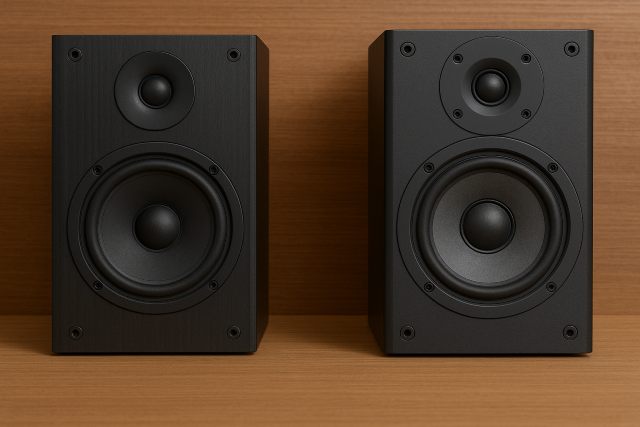
When exploring 2 way vs 3 way speakers, the fundamental difference lies in their design and functionality. A 2 way speaker typically features two components: a woofer for low frequencies and a tweeter for high frequencies. This straightforward setup is efficient and often delivers clear sound without unnecessary complexity.
In contrast, a 3 way speaker introduces an additional driver, usually a midrange speaker. This allows it to handle medium frequencies more effectively. The separation of frequency ranges can lead to richer sound reproduction.
The choice between these systems impacts your listening experience significantly. While both types have their strengths, understanding how they operate helps you make an informed decision based on your audio preferences and needs. Whether you prioritize simplicity or desire enhanced clarity in music playback plays a key role in this selection process.
Sound Quality Comparison
When comparing sound quality, 2 way vs 3 way speakers present distinct characteristics.
2 way speakers typically consist of a woofer and a tweeter. This design allows them to deliver decent sound across a range of frequencies. However, they might struggle with clarity at the high end or depth in lower tones.
On the other hand, 3 way speakers introduce a mid-range driver alongside the woofer and tweeter. This addition enhances audio performance significantly. The result is richer sound that captures more detail in vocals and instruments.
Listeners often notice an improvement in balance with 3 way systems. They excel at reproducing complex musical arrangements without losing fidelity.
Your personal listening preferences will play a crucial role in determining which option sounds better for you.
Power and Frequency Response
When comparing 2 way vs 3 way speakers, power handling and frequency response are crucial factors.
2 way speakers typically consist of a woofer and a tweeter. They cover a decent range but may struggle with the lowest bass frequencies. This can limit their overall impact in certain music genres.
In contrast, 3 way speakers have an additional driver — often a mid-range speaker. This allows them to handle more complex sounds effectively. The separation of frequencies leads to clearer audio reproduction across all ranges.
Power handling is another key aspect. Generally, 3 way systems can manage higher wattages without distortion, making them suitable for larger spaces or louder volumes. However, this also means they require more robust amplifiers for optimal performance.
Understanding these differences will help you choose the right system based on your listening preferences and environment.
Price Comparison
When comparing 2 way vs 3 way speakers, price is often a significant factor for buyers. Generally, 2 way speakers come with a lower price tag. They are simpler in design and easier to manufacture.
On the other hand, 3 way speakers tend to be pricier due to their more complex structure. They incorporate an additional driver, which enhances sound reproduction and coverage across various frequencies.
However, don’t let the numbers fool you. The investment in a good set of 3 way speakers can pay off if you’re looking for richer sound quality and clarity.
Consider your budget carefully. Sometimes spending a little more upfront on better equipment leads to enhanced performance that lasts longer than cheaper alternatives.
Installation Differences
When it comes to installation, 2 way and 3 way speakers have some key differences.
2 way speakers are generally simpler. They consist of a woofer and a tweeter. This straightforward design makes them easier to install, especially for beginners. You can often mount them quickly without extensive modifications.
On the other hand, 3 way speakers include an additional midrange driver. This complexity means more parts and connections to manage during installation. It may require more space in your setup too.
If you’re considering installing these systems yourself, think about your skill level and available room. A clean installation is crucial for optimal sound performance.
Also consider placement options; larger drivers need more attention to positioning for the best audio experience.
Which Speaker System is Right for You?
Choosing the right speaker system depends on your listening habits and environment. If you enjoy vibrant highs, deep lows, and a well-rounded sound experience, 3 way speakers might be your best bet. Their design allows for better separation of frequencies.
On the other hand, if space is limited or you’re looking for a simpler setup, 2 way speakers can still deliver impressive audio quality. They are often more compact and easier to integrate into various spaces.
Consider what type of music you listen to most often. For bass-heavy genres like hip-hop or electronic music, 3 way systems excel in delivering that punchy low end. Conversely, if you lean towards acoustic or vocal-driven styles, 2 way options may suffice.
Don’t forget about your budget. Weighing price against performance will help narrow down your choices significantly while ensuring you get great sound without breaking the bank.
Conclusion
When choosing between 2 way and 3 way speakers, it’s essential to consider your specific needs and preferences. Each type offers unique benefits that cater to different listening environments.
2 way speakers typically deliver a more straightforward design with fewer components, making them easier to integrate into smaller spaces. Their efficiency in handling mid-range frequencies can be appealing for casual listeners who enjoy music or podcasts without the need for elaborate sound systems.
On the other hand, 3 way speakers provide a richer sound experience by covering a broader frequency range. They excel in delivering deeper bass tones and clearer highs, which can enhance overall audio quality significantly. If you’re an audiophile or someone who enjoys immersive soundscapes during movies or gaming sessions, this option may serve you better.
Evaluating factors like space availability, budget constraints, and personal taste will guide you toward the right choice. Both speaker types have their merits; it all comes down to what fits best within your lifestyle and audio preferences.