







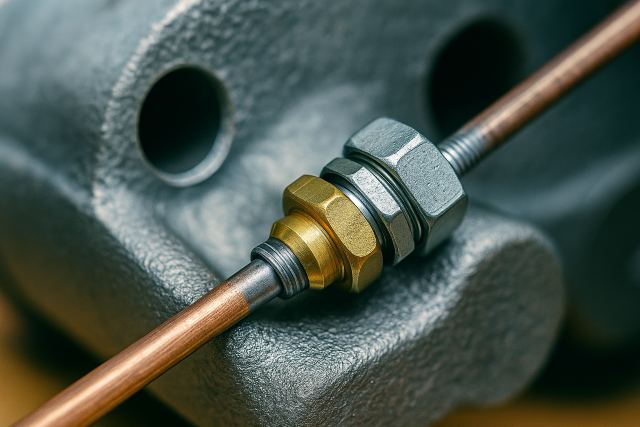
Brake line compression fittings might not be the most glamorous topic in automotive maintenance, but understanding them can save you time, money, and potential headaches down the road. These small yet crucial components play a vital role in your vehicle’s braking system by ensuring that fluid flows smoothly and efficiently. Whether you’re a seasoned mechanic or just someone who likes to tinker with their car on weekends, knowing about brake line compression fittings is essential. In this article, we’ll dive into what these fittings are all about, explore different types available in the market, discuss common uses, and even share some handy installation tips. Get ready to enhance your knowledge and improve your ride!
What is a Brake Line Compression Fitting?
A brake line compression fitting is a specialized connector used in automotive braking systems. It serves to join two sections of brake lines securely, ensuring that hydraulic fluid flows seamlessly between them.
These fittings are designed to create a tight seal without the need for welding or soldering. This feature makes installation and maintenance much easier for both professionals and DIY enthusiasts alike.
Typically made from materials like brass or stainless steel, these fittings can withstand high pressures generated within the braking system. Their durability is crucial for safety, as any failure in this component could lead to brake fluid leaks and compromised stopping power.
Brake line compression fittings come in various sizes and configurations, allowing them to accommodate different types of vehicles and setups. Understanding their role is key to maintaining an efficient braking system that performs reliably under all conditions.
Types of Compression Fittings
Compression fittings come in various types, each designed for specific applications. The most common type is the straight compression fitting. It allows for a direct connection between two pipes or tubes, ensuring fluid flows smoothly without leaks.
Another popular option is the elbow compression fitting. This piece makes it easier to change direction in piping systems, which can be crucial in tight spaces.
For those needing to connect different pipe diameters, reducing compression fittings are ideal. They seamlessly transition from one size to another while maintaining pressure and integrity.
Some specialized applications use swivel compression fittings. These allow for rotation after installation, making alignment easier during assembly.
Each type serves a unique purpose and fits into distinct scenarios within plumbing and automotive industries. Choosing the right one ensures optimal performance and reliability across all systems involved.
Common Uses of Brake Line Compression Fittings
Brake line compression fittings are essential components in various automotive and machinery applications. They play a crucial role in ensuring safe and reliable braking systems.
These fittings connect brake lines to the master cylinder, calipers, or wheel cylinders. Their secure design helps prevent leaks under high pressure, making them vital for vehicle safety.
In addition to cars and trucks, they’re often found in motorcycles and heavy equipment. Industries like construction and agriculture rely on these fittings for hydraulic systems that require consistent performance.
Beyond vehicles, brake line compression fittings can also be used in custom setups or retrofitting projects. This adaptability makes them popular among enthusiasts looking to upgrade or modify their braking systems.
Benefits and Advantages of Using Compression Fittings
Compression fittings offer several advantages that make them a popular choice for various applications. First and foremost, they provide a secure seal without the need for welding or soldering. This simplicity in installation saves both time and labor costs.
Another significant benefit is their versatility. Compression fittings can connect different types of materials, including copper, plastic, and steel. This flexibility makes them suitable for diverse systems such as plumbing and automotive applications.
Durability also plays a key role in their appeal. Made from robust materials like brass or stainless steel, compression fittings resist corrosion and wear over time. Their long lifespan means fewer replacements are needed.
Additionally, these fittings allow easy disassembly when necessary. If maintenance or repair is required, you can remove the fitting without damaging the connected pipes or tubing — an advantage not often found with other joining methods.
Step-by-Step Guide to Installing a Brake Line Compression Fitting
Before starting, gather your tools: a wrench set, cutter, and clean cloth. Always ensure the vehicle is safely lifted and secured.
Begin by measuring the length of your brake line. Cut it accurately to avoid leaks later. Clean both ends of the cut line thoroughly to remove debris or burrs.
Next, slide the compression fitting onto one end of the brake line. Ensure it’s positioned correctly for optimal sealing.
Now, insert this end into the receiving fitting on your brake system. Hand-tighten initially to align everything properly without cross-threading.
Once aligned, use a wrench to secure it firmly but take care not to over-tighten; this can damage components.
After installation, double-check all connections for leaks before lowering your vehicle back down. Test drive cautiously at low speeds to ensure proper function before returning to normal driving conditions.
Tips for Maintaining and Replacing Compression Fittings
To keep your brake line compression fitting in top shape, regular inspections are key. Look for signs of wear or corrosion around the fittings. A little rust can lead to bigger problems down the road.
When replacing a fitting, always ensure you have the right size. Mismatched fittings can cause leaks and affect performance. Measure carefully before making a purchase.
During installation, apply thread sealant to prevent leaks but don’t over-tighten. Excess pressure can damage the fitting, creating new issues instead of solving old ones.
Keep an eye on fluid levels after installation. If you notice any drops or changes in performance, check the fittings immediately.
Consider using high-quality materials for replacements. Investing upfront pays off with durability and reliability in your braking system.
Conclusion
Understanding brake line compression fittings is essential for anyone involved in automotive maintenance or repair. These small yet crucial components play a significant role in ensuring your vehicle’s braking system functions properly.
Brake line compression fittings provide a reliable way to connect different sections of the brake lines, preventing leaks and maintaining pressure. With various types available, including straight, elbow, and tee configurations, you can find the right fitting for your specific application.
The versatility of these fittings makes them ideal for numerous scenarios, whether you’re replacing old lines or performing custom installations on classic cars. Their benefits are clear: ease of installation, durability, and resistance to corrosion contribute to their popularity among both professionals and DIY enthusiasts.
Installing a brake line compression fitting is straightforward with the right tools and guidance. Following a step-by-step approach ensures that everything fits snugly without compromising safety standards. Regular maintenance checks will keep your fittings in good condition while timely replacements prevent potential issues down the road.
By understanding how these components work and their significance within your vehicle’s braking system, you can take proactive measures to ensure optimal performance. This knowledge not only enhances safety but also provides peace of mind when navigating through everyday driving challenges.